
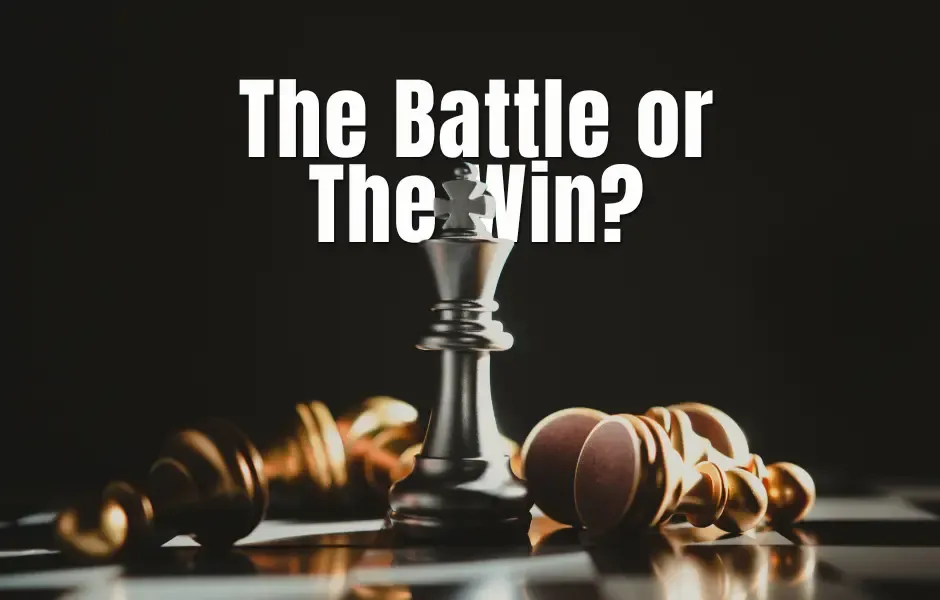
Do you remember August 1995, when the UK music scene lost its collective sh*t?
We were in the midst of Britpop.
There were two huge bands.
Two much anticipated new singles.
But only one No. 1 chart position.
Yes - Oasis versus Blur.
Newspapers called it a war. Radio stations roared. Fans chose sides. It felt more important than politics. People wore badges for goodness sake!
Ask a room of 100 people who remembers the feud and the hands shoot up. Follow up with ‘Who won?’ and you may just see a flutter of fingers.
Do you remember the battle? Do you know who won? (I’ll let you know at the bottom of this message).
In hindsight, the victory barely matters.
What stuck was the moment. The tension. Hanging around the radio glued to Mark Goodier as he counted down. The sense that something was happening. That you were either in or you were missing out.
That’s how it worked then. Has it changed?
We’re encouraged more than ever to obsess about winning. Being top. Getting there first. Beating the competition.
Have you found yourself caught up in it? I have.
Then I think, if I fast forward a few years, months (weeks?), will people remember the result?
Maybe not.
But they’ll remember what you stood for.
The energy you created.
The courage to play.
You’ve seen it dozens of times:
Launches that ‘lose’ can still build brands.
Ideas that come second can still shape the conversation.
Many people who didn’t win still become the reference point.
The win is for a moment.
It’s the battle that creates meaning.
If you like certainty and trophies, this can feel uncomfortable. But it’s freeing if you care more about impact.
If you’re in the middle of a battle right now, a rivalry, a comparison, a quiet internal conflict you haven’t shared, remember this.
History is kind to those who show up.
It’s less obsessed with who came first.
Be Brilliant!
Michael
Who got to Number 1?
It was Blur that took the number one spot with Country House. Oasis got to number 2 with Roll With It.



Comments